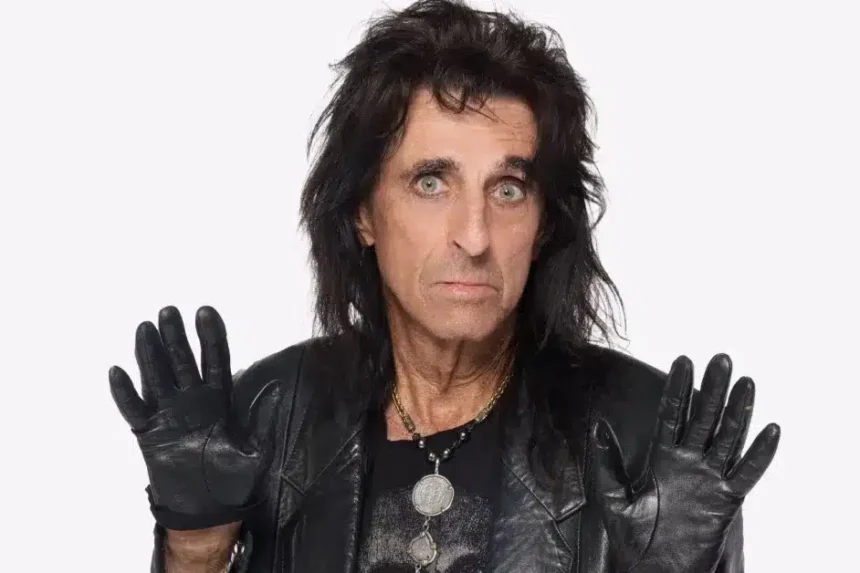
Alice Cooper says John Lennon’s murder changed how he and other musicians thought about their safety. In an interview published on October 11, 2026, Cooper recalled the emptiness he felt on hearing the news and conversations in which David Bowie voiced similar fears. His memories of Lennon also go back to the nights they spent together at the Rainbow in Los Angeles.
Decades later, Alice Cooper remembers first feeling a kind of emptiness when he heard that John Lennon had been murdered. Then came another realisation. A man he had known as a friend had been killed, and the fact that people knew his face and his name seemed suddenly to carry a risk that Cooper and the musicians around him had rarely had to think about in quite the same way.

Lennon died on December 8, 1980. For listeners around the world, his murder meant the loss of a Beatle whose records had been part of their lives. Cooper had those records in common with everyone else who heard the news. He also had memories of the man turning up at a bar in Los Angeles, where a group of musicians could spend the evening without discussing what they did for a living.
In the October interview, Alice Cooper said the blow was difficult to take in. Part of what stayed with him was a change in what seemed possible. He had associated targeted violence of that kind with political figures and other people at the centre of public conflict. It now seemed possible for the recognition that follows a musician offstage to create a danger of its own.

Cooper recalled feeling that it was suddenly a threat to all of them. He was careful about the comparison. Lennon occupied a particular place in public life, and Cooper understood the difference between that level of attention and the kind other artists received. What he had in common with Lennon was the experience of being recognisable when the performance was over. He remembered friends beginning to think harder about what that might mean.
David Bowie comes into the account as someone who talked about such fears. Alice Cooper recalled disliking those conversations, even as the subject became harder to dismiss. It mattered that the discussion was happening between people used to being watched for a living. Bowie’s concerns, as Cooper remembers them, belonged to a part of the job for which there was no stage routine to fall back on.
The recollections from the Rainbow Bar and Grill come from a different period. Cooper and Lennon spent time there with Harry Nilsson, Keith Moon and other musicians. The informal drinking club became known as the Hollywood Vampires. The name suggests the sort of nightlife that a person who only saw the musicians onstage might expect from them. The thing Cooper remembers about the conversation is how rarely anyone brought up music.

Studios, touring and interviews occupied enough of their working hours. The late gatherings let the members of the group put those demands aside. In Cooper’s version of those nights, Lennon could be one of the people around the table without the evening becoming a discussion of the Beatles. The friendship behind the memory had time to develop away from the records by which most people knew them.
Lennon did sometimes try to persuade Alice Cooper to put more politics into his work. Cooper recalled declining. He had a clear sense of the character he had created and the things he wanted his own music to do. Lennon took a different approach to what a record could say in public. There was room for the two men to have that disagreement as friends.
When speaking about the murder, Cooper returned to “Give Peace a Chance.” Lennon had put his name and his voice behind that idea, and Cooper found it hard to make sense of the way his friend died alongside the words of the song. The reference tells us something about what the loss felt like to him. It does not establish a motive for the crime he was remembering.

The name Hollywood Vampires eventually returned as the name of the band Alice Cooper formed with Joe Perry and Johnny Depp. It gave the old club a public life far from the bar where it began. People encountering the name through the later group can hear a story running back to musicians who spent their evenings trying to get away from work. Cooper’s memories put Lennon back inside that room, talking about things that rarely became part of the music.
The next part of the story takes place after a call or a piece of news has reached him and an ordinary night is gone. That is where Alice Cooper’s account of Lennon ends up, with a personal loss becoming a question he recognised in conversations with other people. It took no comparison of careers for him to understand why Bowie’s unease was suddenly much harder to wave away.