Bono has revealed how U2 created “Torn” with Dolly Parton, whose contribution became the final recorded vocal performance of her career. During the band’s November 12 appearance on Jimmy Kimmel Live!, the singer explained how Parton redirected their initial plans and why he now hears the song as a prayer for reconciliation in America. U2 also introduced a collaborative music video project inviting fans to share artwork and personal memories in her honor.
Bono has shared the unexpected story behind “Torn,” the Dolly Parton collaboration that closes U2’s new album Carnaval de Luz. During the band’s appearance on Jimmy Kimmel Live! on Thursday, November 12, he described how an initial musical proposal failed to connect with the country singer, leading to a different song and a recording that later acquired special significance.
The four members of the band appeared on the program ahead of the album’s November 13 release. Their conversation covered the new material, but one of its most personal moments came when they discussed working with Parton. Rather than simply describing the finished duet, they explained the creative decisions that shaped its sound and emotional direction.
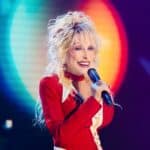
According to the singer, the band had long wanted to collaborate with Parton and approached her with several ideas. One was a song called “Lifelong,” which he described as a lively, slightly drunken marriage song with folk influences. He recalled that she did not think the track was quite right for her particular musical style.
Parton reportedly felt the song was a little too Irish for her. That reaction did not end the discussions. Instead, she offered the group a composition of her own that she had begun writing, inviting them to experiment with it and see where their approach might lead. The change shifted the collaboration toward material that came directly from her.
The band understood that the invitation came with an important creative condition. They were free to explore new arrangements, but Parton would ultimately need to approve the result. As the frontman jokingly suggested during the interview, her willingness to hand them the song did not mean she was obligated to release something she disliked.
The Edge said he was surprised by the trust involved. Parton had an unmistakable musical identity, yet she was prepared to let a rock band take her composition somewhere unexpected. The musicians described their intended sound as “sci-fi country,” combining elements of traditional country songwriting with more experimental textures and production ideas.

The resulting song maintained the intimate subject of divided family relationships. Its central dilemma concerns someone torn between loved ones and unsure how to choose between them. For the band, those personal feelings also suggested a broader story about people who care about one another but find themselves separated by entrenched disagreements.
Parton’s vocal performance made a particularly strong impression. Reflecting on the recording, Bono said listening to her sing felt like a lesson in the possibilities of the human voice. He spoke about the extraordinary emotional and technical range she brought to the song, suggesting that her singing seemed to transport her somewhere beyond the immediate circumstances of the session.
He also offered his interpretation of the track as a prayer for America. The singer connected its family-centered lyrics to the way political differences can divide people who otherwise share deep personal bonds. He suggested that the message extended beyond American politics to any society where disagreements have made ordinary conversations more difficult.
One example he raised was the atmosphere around a Thanksgiving dinner table following a contentious election season. He imagined relatives gathering with deeply different opinions and struggling to speak across those divisions. In his reading, the song asks listeners to maintain their connections and search for common ground rather than allowing political differences to destroy family relationships.

That interpretation belongs to the singer and should not be confused with proof of Parton’s original intentions. She recorded her vocals in Nashville in June 2026, before her death on August 25. There is no indication that she deliberately conceived the performance as a farewell. The meaning the surviving collaborators hear in it today has been shaped partly by what happened afterward.
During the conversation, Bono also reflected on Parton’s unusually broad appeal. He spoke of her as an almost mythical figure who had nevertheless been a real presence in contemporary culture. Her ability to connect with people across different backgrounds was central to his explanation of why the song’s message felt so appropriate following her death.
The band also revealed plans for a collaborative music video that will allow fans to take part in a tribute to Parton. Instead of presenting only a finished visual created by professional filmmakers, the project invites members of the public to contribute drawings, illustrations, decorations and messages inspired by her music and their personal memories.
The idea draws on the posthumous video for Johnny Cash’s “Ain’t No Grave,” which incorporated contributions from fans around the world. U2 approached Parton’s estate about adapting a similar concept and received permission to proceed. The intention is to build an evolving visual work rather than collect contributions for a single traditional video production.
Fans can find the project at dolly.u2.com, where they are invited to add their own creative responses. Professional artistic training is not required. A simple drawing, handwritten message or personal tribute can become part of the wider collection, reflecting how different listeners remember the singer and the place her work occupied in their lives.
Meanwhile, an official lyric video for “Torn” was released on November 13, featuring photographs of Parton alongside images of Nashville and the surrounding countryside. This is separate from the fan-created project, which is still developing. As further contributions arrive, U2 hope the collaborative video can continue changing over time.
For the band, the new initiative extends the collaboration beyond the original recording session. What began with Parton declining one musical idea and offering another has become a song about fractured relationships, accompanied by an invitation for people to create something together. It is that connection between the music and its audience that Bono emphasized in recounting how “Torn” came to life.