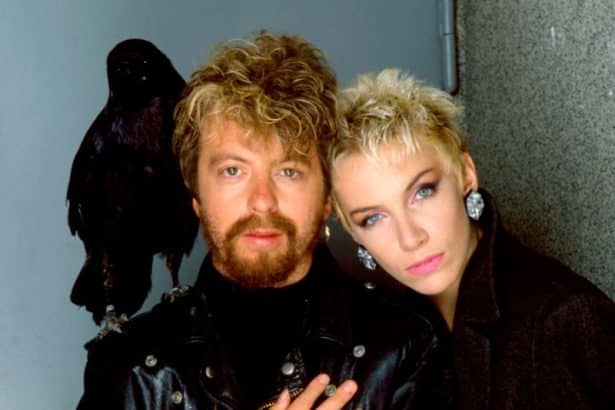
Robbie Williams has defended Olivia Rodrigo after listeners compared her first Christmas single, “Take Me Home (4 Christmas),” with his 2012 hit “Candy.” In an Instagram post, Williams said he could hear how a resemblance might have come about and had no intention of pursuing it. He also used the discussion to explain why he worries about the ease with which similarities become accusations.
Robbie Williams began with a Christmas greeting. After Olivia Rodrigo released “Take Me Home (4 Christmas)” on November 6, listeners started putting the song next to his 2012 single “Candy,” sharing clips that invited other people to compare the melodies. Williams addressed Rodrigo briefly on X, then turned to Instagram to explain why he was comfortable hearing an echo of his own work in somebody else’s song.

His longer post was addressed as much to the people making accusations as to Rodrigo. A listener might recognise a turn of melody or a rhythmic pattern and still know very little about the way a song was written. Williams said it was possible to arrive independently at something another writer had already used. He allowed for that possibility in Rodrigo’s case and said he had no desire to investigate a potential publishing issue.
Robbie Williams also wrote as somebody who has heard echoes of other records in his own work. Songwriters draw on habits they pick up from listening, from familiar chord changes to ways of moving a melody through a phrase. Some of those habits can be traced to specific influences. Others have circulated for so long that a writer may use them without recalling when they first heard them. He suggested that musicians would find it hard to work if every resemblance were treated as evidence of intent.
“Candy” itself dates to 2012, when Williams released it ahead of Take the Crown. The record’s bright, repeated phrases made it a natural point of comparison once listeners started hearing Rodrigo’s new single. The videos pairing the two songs put short sections side by side, an effective way to show what a listener has noticed. That format says much less about how either writer arrived at the finished recording.
In his post, Robbie Williams said he had admired Rodrigo for years. That was part of the reason he wanted to speak publicly. The social posts comparing the songs had introduced him as the artist who might have a grievance. His response removed that implication as far as his own intentions were concerned. He said he did not plan to go after her and used the occasion to talk about what younger writers need from the people whose music came before theirs.
Williams acknowledged that his position makes it easier to respond this way. He can hear a resemblance to a record from his catalogue without immediately feeling that his livelihood depends on pursuing it. His comments therefore reflect the decision he would make in this instance. They leave room for writers to defend their work in other circumstances, particularly when they believe an identifiable contribution has been used.

Rodrigo’s song has also been discussed in connection with “Christmas Wrapping,” the 1981 single by The Waitresses. That is a separate musical point of reference from the one listeners made with “Candy.” A seasonal release enters a repertoire audiences already know well, and references to earlier records can be particularly easy to spot. People hear the new track alongside songs they have returned to each December, often for years.
“Take Me Home (4 Christmas)” is Rodrigo’s first Christmas single. Its release followed a preview of the video and brought a new kind of song into her catalogue. The physical edition pairs it with another seasonal track, “Miss This Christmas.” Listeners who first came across the single through comparison clips can hear it in full through the official recording and decide how the passages they have been discussing work within the complete song.
For Robbie Williams, the broader issue was what musicians owe one another when a resemblance becomes the focus of public attention. His post treated influence as a continuing part of songwriting. People absorb the records that came before them and make choices with some of the same materials. He argued for giving that process room, especially when there is little information about how a phrase came together.

The discussion now has an answer from one of the two artists whose names were being put together. Robbie Williams heard the comparison, made room for the possibility of a resemblance and said he would leave the matter there. His first message to Rodrigo was a seasonal greeting. The longer post gave that greeting its context, coming from a musician who wanted another songwriter to be able to get on with the work.