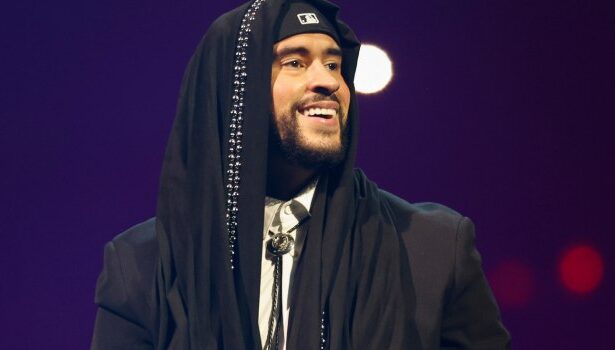
Maluma became emotional while listening to Hawái during Latin Music Week in Miami on October 21, 2026. Reflecting on 15 years in music, the Colombian singer described his tears as an expression of gratitude and said he felt fulfilled. He also explained how Agua became a collaboration with Shakira and discussed his interest in exploring more traditional Mexican music in the future.
Maluma heard the opening notes of Hawái and began to cry. During a conversation looking back over 15 years of his career, the recording brought personal memories into a room otherwise focused on songwriting, production and success. The moment came on October 21 at Latin Music Week in Miami, where Leila Cobo guided him through songs associated with different stages of his musical life.

He explained that the emotion came from gratitude, rather than one painful incident connected with the track. Listening again reminded him of places he had performed and people he had reached through music. He described feeling complete and fulfilled, acknowledging achievements that the pressure to keep moving forward can make difficult to appreciate while a career is still unfolding.
Hawái arrived in 2020 and became one of the biggest international hits for Maluma. It spent nine weeks at No. 1 on Hot Latin Songs, while a later remix with The Weeknd extended its audience beyond Spanish-language listeners and reached No. 12 on the Billboard Hot 100. Those figures explain part of its prominence, but his reaction in Miami concerned the experiences behind them.
The song follows a man watching a former partner present a happy life after their separation. Holiday images and social-media posts conflict with what he believes she actually feels. That story of a breakup traveled with a highly recognizable melody, reaching listeners in different countries and becoming tied to a particular period for the artist who recorded it.

The discussion placed that success within a longer journey from Medellín to an international audience. Maluma began recording when young, developing a style that combined Colombian urban music with more melodic pop writing. Hearing several releases together allowed him to consider changes in his choices, rather than treating the career as a single uninterrupted run of similar songs.
Other selections included Amor de Mi Vida, his Kany García duet 1 + 1 and the recent Shakira collaboration Agua. Each opened a different production story or creative relationship. Agua, released on September 17, had existed for some time before reaching the public, but the singer explained that it was not originally arranged in the form listeners eventually heard.
The important change came when Maluma and producer Sky Rompiendo reworked it as a merengue. After the shift toward that Dominican dance rhythm, he thought of inviting Shakira. Her involvement therefore followed a new direction in the production, rather than being fixed from the composition’s beginning. The account showed how a collaboration can emerge from reshaping a song already in progress.

The two Colombian stars already had a history together through Chantaje, Trap and Clandestino. Agua added another rhythmic approach to that sequence of recordings. He described enjoying the process of working with Shakira, praising the chemistry they share both in a studio and onstage. The conversation concerned their existing work, without announcing another song beyond the collaboration already released.
He also spoke about her discipline and determination, connecting her sustained success with the focus she brings to her career. For a singer reflecting on his own development, those qualities formed another part of the partnership. The praise went beyond their songs’ commercial performance, emphasizing the working habits and character he had observed through repeated creative encounters.
The Kany García duet offered a different route into his current priorities. Released in January 2026, 1 + 1 reflected a desire for simpler musical expression and a renewed connection with his roots. Maluma linked that thinking to Colombia and especially Medellín, explaining that the city where he grew up continued to shape both the person and the artist he had become.

Mexican music was another direction he wanted to explore more fully. His 2023 collaboration with Carín León, Según Quién, supplied a starting point for that discussion. He described the song as a meeting between Colombia and Mexico, two countries with which he feels strong connections. Family experience helped build the second relationship, with parents and grandparents introducing him to Mexican traditions and recordings.
He recalled some of his strongest concert experiences in Mexico and expressed an interest in experimenting further with its traditional music. That statement set out a creative ambition, rather than confirming a new album or recording timetable. It also fitted the broader conversation about moving between Latin American styles, from the merengue arrangement of Agua to the musical exchange with León.
At the end, Jorge Mejía of Sony Music Publishing presented a commemorative award recognizing more than 30 chart-topping songs across different rankings. The distinction should not be read as that many separate No. 1s on one chart. The recognition followed a conversation that had kept returning to what the recordings contained for their singer: memories, relationships and opportunities to try another direction. For Maluma, the award followed an acknowledgment that those experiences already amounted to a fulfilling career, even while he remained interested in new musical possibilities.