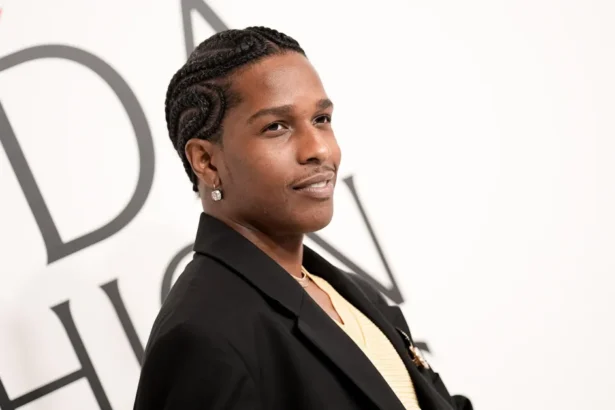
Kesha has finally released the music video for Backstabber, sixteen years after the song appeared on her debut album Animal. Directed by Syndrome, the production remained officially unreleased even after an unfinished version leaked online. A gold car, a betrayed friendship and an exaggerated revenge story bring viewers back to one of the singer's earliest creative periods, with the completed clip now available officially.
A video fans have been waiting for since the Animal era has finally received an official release. On October 26, 2026, Kesha unveiled Backstabber, presenting completed visual material that had remained outside her authorized video catalog for sixteen years. The release does not introduce a new recording; it restores an older production many followers knew only through an unfinished version circulating online.

Directed by Syndrome, the clip builds a heightened story around the anger and betrayal in the song. A gold Pontiac Firebird Trans Am is central to the action, linking the fictional narrative with the experience the singer has described as its inspiration. The car becomes the object around which the confrontation develops as the protagonist seeks to recover what a former friend took.
In the video, Kesha pursues the woman who betrayed her and eventually takes back the vehicle. Their confrontation includes a slap, presented within the deliberately exaggerated revenge story. The production gives the song's hostile, sarcastic energy a visual form, using dramatic action rather than treating the lyrics as a quiet reflection on the end of a friendship.
The fictional retaliation continues as the singer drives away into the night and friends remain to confront the other woman. Those scenes belong to the music video's narrative. They should not be confused with a record of what happened in the real incident behind the song, which concerned a lost car and a personal relationship that broke down.

Kesha had discussed that background publicly in 2010. In her account, a close friend took her car one night and the vehicle subsequently disappeared. She then learned that the same person had also been speaking negatively about her behind her back. The combination of the missing car and the friend's behavior supplied the betrayal that shaped the song.
Her earlier explanation described two stages in that realization: first discovering what had happened to the car, then hearing about the comments made in her absence. Together they became the basis of a track aimed at someone who acts like a friend while behaving differently elsewhere. The recording responds with sarcasm and confrontation rather than a straightforward expression of sadness.
Backstabber had a history before the debut album. Around 2008, an early version circulated through MySpace, then an important way for emerging musicians to reach listeners. It was among the recordings through which the singer began introducing herself before Tik Tok became the international hit that brought her to a much larger audience.
The song's official album release came with Animal in January 2010. Kesha was developing an immediately recognizable combination of electronic pop, dance rhythms and provocative humor. Backstabber fitted that setting through its fast pace, electronic foundation and repeated chorus. Its direct address to a disloyal friend aligned with the sharp, playful personality expressed across that early period of her catalog.

The performance shifts between anger and mockery, helping explain the video's excessive revenge scenario. Rather than framing the friendship's collapse as a restrained confession, the song makes it confrontational and energetic. The visual story follows that approach through the car and the central conflict, reflecting the creative setting in which the production was originally made rather than a newly invented contemporary concept.
Although the video was produced during that period, it never received a regular official release. In 2011 an unfinished version leaked online, revealing elements of the story and direction. That circulation did not amount to a completed launch through the artist's channels. For many years it was the only version available to viewers searching for the material.
The unreleased production became a familiar subject among longtime fans. Unofficial uploads and excerpts kept interest alive without providing a clear answer about whether a finished version would ever appear. Kesha had made a video for a song that was not among Animal's major official singles, leaving a distinct gap between the existence of the production and its place in her authorized output.
Discussing the new release on X, she said she had spent the intervening years trying to get it out. She did not explain the specific reasons for the delay, describing the background only as a long story. Her comments support an account of sustained efforts, but do not establish which label decisions, disagreements or other circumstances prevented an earlier release.

Interest in the recording had also revived through TikTok, where its story of a friendship turning into betrayal found new listeners. A song from 2010 acquired another digital life through short videos and users' own stories. That renewed attention preceded the official video and helped keep the track visible across a different platform era from the one in which it first circulated.
For older fans, the release completes something left unresolved since Animal. For newer listeners, it pairs the recording with the visual story originally designed around it. Sixteen years later, Kesha has placed the completed Backstabber video in front of the public, preserving the early production's aesthetic while keeping the real account of a lost friendship distinct from the revenge imagined onscreen.