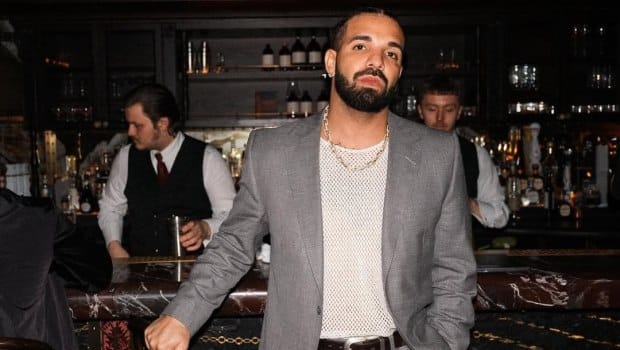
A lawsuit accusing Spotify of allowing billions of alleged artificial streams of Drake's music has been dismissed with prejudice at trial-court level. Judge Josephine Staton found RBX's amended complaint legally insufficient in a decision reported on October 26. The Canadian rapper was not a defendant, and the court did not find that he used bots. The dismissal does not necessarily prevent an appeal.
A lawsuit linking Drake's music to allegations of artificially inflated Spotify listening figures has ended with dismissal at trial-court level. US District Judge Josephine Staton rejected the amended complaint brought by rapper RBX against the streaming company. The ruling, reported on October 26, concerned whether the plaintiff had sufficiently alleged a legal basis for holding Spotify responsible, not a case against Drake personally.

RBX, whose legal name is Eric Dwayne Collins, filed the proposed class action in November 2025. He alleged that artificial listening affected the platform's overall figures and that Spotify selectively enforced its rules against fraud. In his account, such practices could reduce the royalties available to less prominent musicians. Those assertions remained the plaintiff's allegations rather than facts established by the court.
The complaint repeatedly used Drake as an example of a highly successful performer. Collins' lawyers alleged that a substantial portion of billions of plays was inauthentic and potentially generated by automated accounts. The musician was not named as a defendant, however, and this proceeding did not determine a claim of personal unlawful conduct against him. The cited figures were not judicial findings.
The original complaint had already been dismissed in June 2026. At that point, the judge found that it did not explain with sufficient specificity why Spotify's conduct or omissions violated the law. Collins was allowed to amend his pleading, giving him another opportunity to add factual allegations and address the shortcomings identified by the court rather than ending the case immediately.

His revised complaint placed more emphasis on allegedly unequal enforcement, claiming that smaller creators faced stricter treatment than major artists. It also sought to connect Spotify's public statements about combating artificial streams with obligations toward rights holders. The judge considered that new presentation but found that it still did not adequately connect the company's alleged behavior to the legal claims Collins was asserting.
The second dismissal was with prejudice. Collins cannot simply revise the same complaint once more and bring the same claims again as another attempt in the trial court. That finality should be distinguished from the separate possibility of an appeal. The ruling addressed this particular lawsuit involving allegations about Drake, rather than eliminating every potential legal challenge concerning streaming practices.
One part of the case relied on negligence. Collins argued that the platform should protect him from the financial consequences of artificial listening by third parties. The judge did not accept that his relationship with Spotify created the special legal duty required for that claim. A difference in power between an independent musician and a large company was not enough to establish it.
The court also considered claims under California's Unfair Competition Law. Collins argued that Spotify's public anti-fraud stance was misleading and that its enforcement practices produced unequal treatment. The judge found the amended allegations insufficient to support his particular claims. That assessment of the pleading is different from a general certification that artificial listening presents no problem anywhere on the service.

The economic concern behind the complaint relates to how streaming revenue is divided. Under the usual streamshare approach, revenue from subscriptions and advertising contributes to payments allocated according to eligible listening. If fraudulent plays were counted for payment, they could affect those shares. That explains why artificial activity can concern rights holders whose own recordings are not directly involved in generating it.
An economic concern alone does not establish a particular company's legal liability. Evidence is needed to identify the activity, explain how it was handled and connect the alleged conduct with a legally recognized harm. Repeated references to Drake's popularity did not resolve the deficiencies the judge found. Large listening totals, by themselves, are not proof that a recording's audience is fraudulent.
Spotify says it invests in detecting and responding to artificial streaming. Its public policy states that confirmed artificial plays do not earn royalties and that associated public figures can be corrected. That is the company's description of its systems and enforcement, not independent proof that every incident is discovered or that mistakes never occur when suspicious activity is reviewed.

Streaming fraud remains an issue across the music industry, separate from the outcome of this complaint. Organized artificial plays can divert money when systems are used to generate payments rather than reflect genuine listening. New tools can also enable large-scale recording production and automated accounts. Those wider concerns do not establish the specific allegations Collins made about Drake in this action.
The case should also be distinguished from other disputes involving Spotify's promotion systems, including litigation concerning Discovery Mode. Those actions involved different plaintiffs and claims, with their own legal reasoning and outcomes. Staton's decision here concerned Collins' allegations about inadequate or selective responses to artificial listening, and the legal basis on which he sought to hold the platform responsible.
For Drake, the attention surrounding the decision comes from references in the complaint rather than a judgment against him. The dismissal does not prove that he organized artificial plays, nor does it independently certify every stream as genuine. It ends Collins' present attempt to establish Spotify's liability through these claims, while the possibility of appellate review remains a separate question.