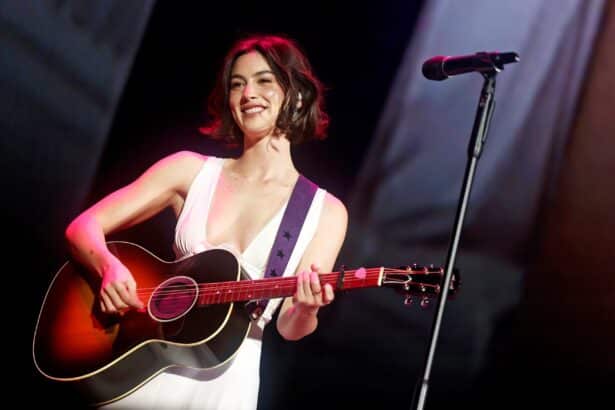
Rosalía emerged as the leading winner at the 2026 Latin Grammy Awards, with six honors connected to her work and a third career victory for Album of the Year, awarded to LUX (Complete Works). During the November 12 ceremony in Las Vegas, the Spanish singer became emotional while accepting the trophy from Juanes. Milo J followed with four wins, including Record of the Year for “Niño.”
Rosalía was visibly moved when Juanes handed her the Latin Grammy for Album of the Year. The Colombian singer had supported her long before international recognition, back when her audiences in Madrid could fit into small rooms. Standing together at the MGM Grand Garden Arena in Las Vegas on November 12, they shared a moment that connected her earliest performances with her third victory in the ceremony’s leading album category.

The winning record was LUX (Complete Works), the expanded version of her ambitious studio album. Six awards were associated with the project and its related releases during the 27th annual ceremony, placing her ahead of every other artist that night. The results also recognized performances, songwriting, visual production and technical work, reflecting the different disciplines involved in bringing the album to audiences.
In her acceptance speech, Rosalía thanked Juanes for taking an interest in her music when she was still performing for approximately 100 people in Madrid. His presence as the presenter made the award especially meaningful. She also thanked her family and friends, reflecting on how much her career had changed since the days when a small live audience was a significant opportunity.
She had previously won Album of the Year for El Mal Querer in 2019 and Motomami in 2022. Looking back on those records, she described the first as a dream and the second as a daring creative decision. LUX, she explained, represented a leap into unfamiliar territory. The comparison placed each project within a different period of her musical development.
Her remarks also addressed artistic independence. She spoke about the importance of expressing her own truth while allowing others to express theirs. Although the evening celebrated another major success, she acknowledged that she still had much to learn and believed her best work might lie ahead. The response gave her acceptance speech a reflective tone rather than simply listing achievements.

LUX also won Best Alternative Music Album, while “La Perla,” featuring Yahritza y Su Esencia, received Song of the Year and Best Pop Song. These songwriting categories recognize the people responsible for creating the composition. They should not be confused with Record of the Year, which honors a specific recording and went to another artist during the ceremony.
Rosalía received further recognition through the music video for “Sauvignon Blanc,” which won Best Short Form Music Video. LUX (Complete Works) was additionally honored for Best Engineered Album. That technical award belongs to the recording engineers, mixers and mastering engineers credited on the project, making it important to distinguish the album’s overall six winning entries from the singer’s individual awards.
She also performed during the ceremony, delivering a medley of material from LUX. The stage presentation included “La Rumba Del Perdón,” “La Perla” and “Dios Es Un Stalker.” The selection gave viewers a live introduction to different sides of the recording that had received the night’s highest album honor, rather than relying solely on an awards presentation.
Milo J emerged as the other leading winner with four awards. The 19-year-old Argentine artist took Record of the Year for “Niño,” a major distinction separate from the Song of the Year prize awarded to “La Perla.” The difference between those categories matters: one recognizes the finished recording, while the other primarily honors the songwriters behind a composition.

His project La Vida Era Más Corta won Best Folk Music Album, highlighting an artistic direction beyond the urban and trap sounds associated with his earlier career. He also received Best Urban/Urban Fusion Performance for “Gil,” featuring Trueno. The album was recognized for Best Recording Package as well, an award credited to the project’s art direction and physical presentation.
Speaking during the earlier Latin Grammy Premiere ceremony, Milo J expressed surprise at receiving a folk music award after beginning his career in trap. He thanked the producers and collaborators who had helped shape the record. His four wins placed him immediately behind Rosalía in the night’s results and drew attention to the broader range of his current recordings.
Karol G won Best Urban Music Album for Tropicoqueta, her third victory in that category. In her acceptance speech, she discussed how working with different musicians had expanded her understanding of Latin music. The album incorporates influences from salsa, merengue, reggaeton, bachata and mariachi, styles she also highlighted when describing the audience’s response to the songs on tour.

Among the other multiple winners were CA7RIEL & Paco Amoroso. The Argentine duo earned awards for an electronic music performance with Fred Again.., a pop/rock song with Sting and the long-form video FREE SPIRITS (The Film). Jorge Drexler was recognized for his album Taracá, while Anitta won her first Latin Grammy after twelve nominations, taking Best Portuguese Language Contemporary Pop Album for Equilibrivm.
The Best New Artist award went to Colombian singer Aria Vega, who spoke about the ambitions she had written down years earlier as part of a college assignment. Songwriter of the Year was awarded to Sara Schell, while Edgar Barrera received Producer of the Year. Their wins were part of a ceremony that recognized emerging artists alongside established performers and the people behind the scenes.
The evening also featured performances by Karol G, Anitta, Juanes, Milo J and other artists, underlining the diversity of styles represented across the awards. Most categories had already been presented during the earlier Premiere event before the main televised broadcast. That format brought together a large number of winners even though only selected presentations appeared in the evening program.
For Rosalía, the defining moment remained the Album of the Year presentation and the chance to receive the trophy from someone associated with the beginning of her career. She left Las Vegas with LUX recognized across several categories, while Milo J’s “Niño” secured Record of the Year. Their achievements provided two distinct highlights of the 2026 ceremony.