


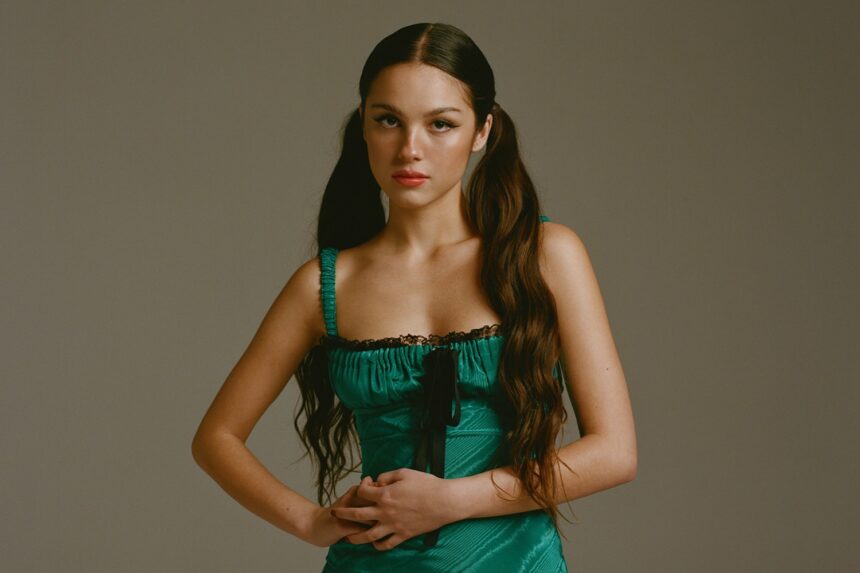
Olivia Rodrigo has recalled an unexpected piece of advice from Chappell Roan while they were writing the second verse of Expectations. After hearing her friend describe disappointing experiences with men, Roan suggested she try dating women. The anecdote emerged in their joint Zane Lowe interview, where the singers discussed friendship, creative freedom and the different perspectives they brought to the new version of the song.
Olivia Rodrigo and Chappell Roan were working on the second verse of Expectations when their studio conversation moved toward dating. Rodrigo began recounting unpleasant experiences with men, prompting an immediate response from her friend: perhaps she should start dating women. She remembered the exchange with laughter during their joint conversation with Zane Lowe, using it to describe the atmosphere behind the collaboration.

The interview appeared in mid-October as the two singers discussed the new version of the song. Rodrigo did not identify the people involved in the stories she had told in the studio or set out the incidents in detail. The emphasis was on Roan’s spontaneous reaction, which had remained vivid as a moment of humor between friends working through a lyric together.
The account was not an announcement about Olivia Rodrigo’s private life or sexual orientation. She did not say she had followed the suggestion or changed whom she dates. The distinction matters because a lighthearted recollection can acquire a different meaning when removed from its original setting. Here, it illustrated a familiar relationship between collaborators rather than revealing a decision about future relationships.
It also fitted the subject of Expectations, a song concerned with what someone wants from a possible partner and the frustration that follows when those hopes are not met. Talking about disappointing experiences therefore did not take them far from the material. The studio allowed personal conversation and songwriting to overlap, even where the resulting lyric did not directly reproduce a real incident.

Roan contributed a verse addressing a woman, bringing her own romantic perspective into the recording. She said she appreciated being given space to write that way, without treating it as something every collaborator would automatically welcome. The freedom to make that reference openly helped the performance feel like her own contribution rather than a guest appearance detached from her artistic identity.
For Olivia Rodrigo, the song began with a different writing ambition from some of her earlier releases. She explained that she had often described feelings in her music and wanted something she could sing repeatedly as a personal statement. Instead of remaining entirely inside a past disappointment, the new approach would let her perform her expectations with a greater sense of confidence.
She pointed to Kendrick Lamar’s HUMBLE. when explaining the effect she wanted from a concentrated phrase. The reference concerned the force that repetition and delivery can give a statement, not a claim that the two recordings share the same story. Her interest lay in having a song that could feel decisive each night when carried into a live performance.
Roan’s stage presence helped inspire that direction. Olivia Rodrigo spoke about admiring the assurance with which her friend performs and inhabits her songs. She had already played Expectations for Roan while working on the album, feeling that it contained something connected with her style. When Roan later agreed to join the new version, an early association became an actual creative partnership.

The friendship predated the recording session. Their paths had crossed through music and shared collaborators, and Roan had appeared at Rodrigo concerts before reaching her current level of recognition. That history helps explain the ease of the interview. They could discuss studio memories with humor rather than limiting the conversation to a formal account of release plans and production details.
Across songs such as Drivers License and Vampire, Olivia Rodrigo has often used relationship difficulties as a starting point for writing. Expectations shifts the emphasis toward what she wants to ask for, rather than only describing hurt after the event. Roan’s contribution extends that subject through another point of view, keeping the song’s central concern while allowing a different romantic perspective to be heard.
Roan also clarified that the situation in her verse was invented. It concerned waiting for contact from somebody who does not respond, but was not presented as a literal report of a specific relationship. The real studio conversation and the fictional lyric therefore operate differently. One describes what the friends remembered saying; the other belongs to the narrative created for the song.

The release marked Roan’s first official featured appearance on another artist’s song. She described the collaboration as fitting the way she wanted to write and express herself. Expectations originally appeared on You Seem Pretty Sad for a Girl So in Love, released in June 2026 and a No. 1 Billboard 200 debut, before the joint version arrived in October with a music video.
For Olivia Rodrigo, the memorable detail remained the moment they were trying to solve a second verse and ended up talking candidly about dating. For Roan, the broader collaboration offered room to write from her own experience and imagination. Their conversation showed how confidence, trust and an unplanned joke could sit together inside the process of making a pop recording.





