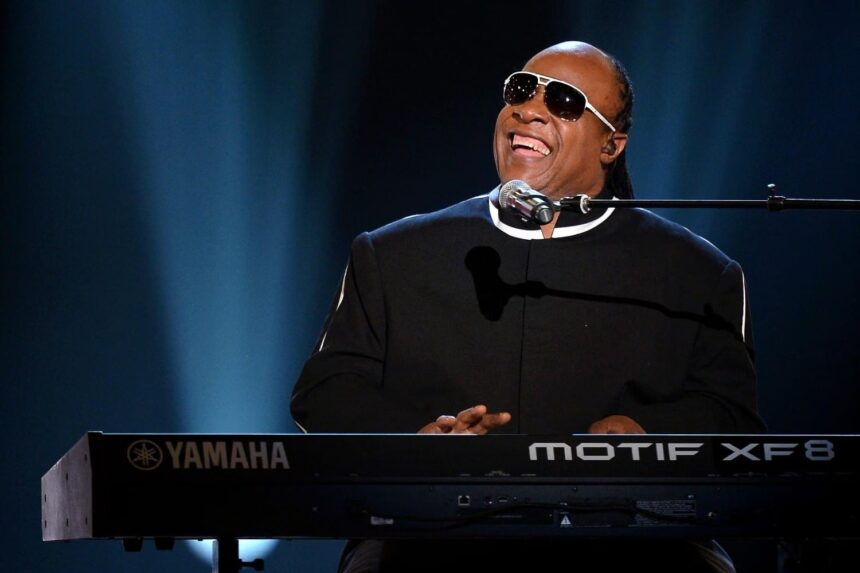
A Stevie Wonder photograph has become the subject of a lawsuit against Sony Music Publishing, with the musician himself not named as a defendant. Photographer Alan Satterwhite filed the claim on November 8, alleging that a 1974 image was used without permission in an Instagram post celebrating “Innervisions.” He is seeking damages of up to $150,000, with liability and any award still unresolved.
A photograph of Stevie Wonder taken more than half a century ago is at the centre of a new dispute over how images are used on social media. Alan Satterwhite alleges that Sony Music Publishing included his work in an Instagram tribute without first obtaining a licence. The complaint concerns the photograph and the rights attached to it, rather than ownership of the singer’s music or any allegation directed at the performer himself.

The lawsuit was filed in federal court in New York on Sunday, November 8, 2026. According to the complaint, Satterwhite photographed the musician at a piano in 1974, producing a series of images from the session. He says one of those pictures later appeared on the publisher’s official account. That is the allegation being advanced by the photographer; the filing itself does not establish that an infringement occurred.
The Instagram post dates from February 2023 and contained several images. It marked the year in which “Innervisions” reached its fiftieth anniversary, rather than appearing on the exact anniversary date. The album was released on August 3, 1973. For Stevie Wonder, it represents an important period of creative independence, which helps explain why a publisher would choose to celebrate its lasting influence through an anniversary feature.

Satterwhite says he did not authorise the particular use. His claim centres on whether Sony Music Publishing had permission to reproduce the image publicly, regardless of the celebratory purpose of the post. A tribute can still involve material with rights separate from the subject being celebrated. The question raised by the lawsuit is therefore specific: what authority, if any, covered the inclusion of this photograph in that publication?
The photographer also argues that unauthorised publication affected his ability to license the work commercially. In his account, the value of the image includes the right to control how and where it is used. That alleged harm has not been established by a court. It forms part of the claim that will need to be considered alongside the underlying ownership and licensing issues as the litigation proceeds.
He is seeking up to $150,000 in damages. That is a requested amount, not a fine already imposed or compensation already awarded. The claim invokes the upper statutory figure available for a single work in qualifying cases of wilful infringement under US copyright law. Whether those conditions are met, whether there is liability and what damages might be appropriate remain questions for the legal process. The headline figure should not be mistaken for the outcome.
A Sony Music Publishing representative declined to comment on the lawsuit. The available account therefore does not include a detailed public explanation from the company about how the photograph was sourced or what rights it believes applied. A refusal to comment is not an admission. It would be premature to conclude either that a licence existed or that the photographer’s version has been accepted without hearing the parties’ positions and examining the evidence.

Stevie Wonder is connected to the case as the person shown in the photograph and the artist whose album the post discussed. He is not named as a defendant. Keeping that distinction clear matters because a headline about a famous musician and a lawsuit can otherwise suggest that the artist personally faces a claim. This dispute is between the photographer asserting rights in his work and the publisher alleged to have used it.
“Innervisions” includes “Higher Ground” and “Living for the City” and remains one of the defining records of the singer’s career. It reached number four on the Billboard 200 and spent 89 weeks on the chart. But the date of the disputed image is a separate matter. Satterwhite places the photograph in 1974, after the album’s release. It should not be described as a picture from its recording sessions merely because it accompanied an anniversary post.
Earlier lawsuits brought by the photographer have involved organisations including Amazon, Complex, CBS Radio and Berklee College of Music. Images of Arnold Schwarzenegger and Mel Brooks, as well as other Stevie Wonder photographs, have featured in disputes over uses he regarded as unlicensed. Those cases provide background to his enforcement activity, rather than evidence against Sony Music Publishing. The present Stevie Wonder case must stand on its own facts, including the image identified in the complaint and the circumstances of the February 2023 Instagram post.

The case also highlights the distinction between music publishing and photographic rights. Managing compositions does not automatically confer permission to publish every image of their creator. Satterwhite has brought other claims over photographs in the past, but those proceedings do not decide this one. The relevant questions concern this work, this use and any applicable permission. For now, the Stevie Wonder anniversary post has become the starting point of a contested claim, with no reported judgment resolving the allegations.