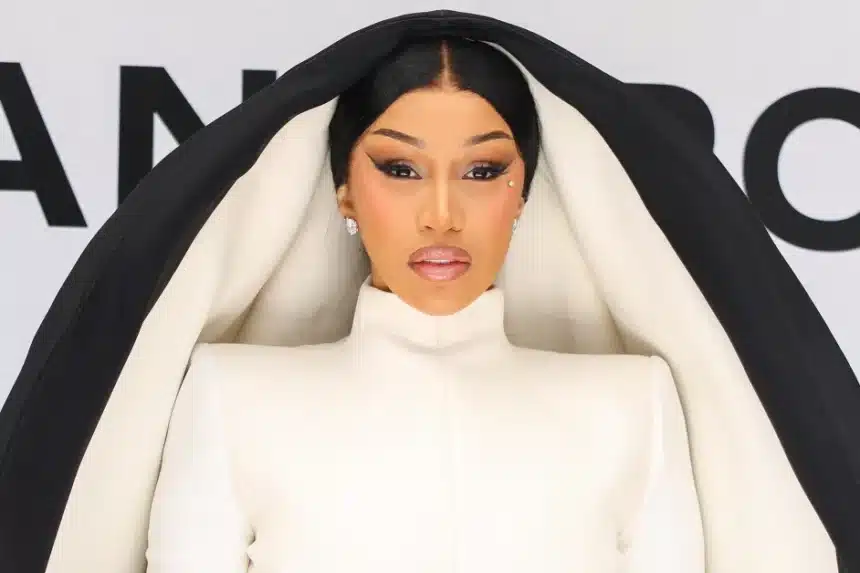
Cardi B advised Johns Hopkins University students to get through their semester without asking ChatGPT for ready-made answers. The rapper made the spontaneous comment during her Hoptoberfest performance on November 1, using her characteristically direct style. Her advice came several months after she publicly complained about misleading AI-generated content on Facebook, although that earlier remark concerned a different issue from students completing their own work.
Cardi B arrived at Johns Hopkins University to perform, but briefly turned her attention to the responsibilities awaiting her audience outside the concert. She urged students to make sure they passed their semester, then told them not to ask ChatGPT for the answer. The short intervention became a widely discussed moment from the show, adding an unexpected reminder about coursework to the musical programme.

The comment came on Sunday, November 1 at Hoptoberfest, the autumn event organised by the university’s student programming group. It was a spontaneous remark during a performance rather than a prepared speech about education or technology. The audience consisted of students who would soon return to their studies, giving the advice a direct connection with their lives beyond the concert that evening.
In the original clip, the rapper used profanity to emphasise her wish for students to complete the semester successfully. Her second point was specific: they should not turn to ChatGPT for ready-made answers. Cardi B did not describe a personal experience with examinations or develop a broader argument about whether artificial intelligence can help people study, research or understand material they find difficult.
That distinction limits how the statement should be understood. The remark addressed asking a digital tool to supply an answer, rather than rejecting every form of technological assistance. She did not announce a comprehensive policy position on artificial intelligence or call for universities to prohibit it. Her message was that students should rely on what they themselves know when demonstrating what they have learned.

Her Hoptoberfest appearance had come together at short notice. Daniel Caesar was originally announced as the concert’s headline act. On October 31, organisers informed ticket holders that the Canadian singer could not appear because of unforeseen circumstances. In the same communication, they revealed that Cardi B would take his place, changing the musical character of the university event shortly before it was due to happen.
The change also involved moving the concert by one day. Instead of Saturday, October 31, the show was scheduled for Sunday, November 1 at 8pm. It took place at the Ralph S. O’Connor Center for Recreation & Well-Being on the university campus. Tickets students had already obtained remained valid despite the replacement performer and the revised date, allowing the event to continue under the new arrangements.
For the organisers, replacing the headline artist represented a substantial adjustment within a limited period. Hoptoberfest is an established university celebration featuring concerts and student activities. The new booking brought a rapper associated with hits including “Bodak Yellow”, “I Like It” and “WAP” to the stage. Her brief advice about ChatGPT was an unplanned addition to an evening that had already undergone a significant change.
Nothing in the available account indicates that students had asked for her opinion about artificial intelligence. Instead, she delivered the remark in the direct manner familiar from many of her public comments. The moment placed a reminder about personal effort inside an entertainment event, drawing attention because of its unexpected setting and the straightforward language she used when addressing the people in front of her.

It was not Cardi B’s first public reference to AI-generated material. In February 2026, she expressed frustration in a humorous post on X concerning older members of her family and content appearing on Facebook. That earlier comment focused on misleading material created with artificial intelligence and the difficulties people can face when they do not recognise that an online post has been artificially generated.
The two remarks concerned different situations. In February, she was discussing the possibility of people being misled by online content. At Hoptoberfest, she addressed students and the temptation to request an answer instead of working it out themselves. Keeping those contexts separate avoids turning the two brief observations into a detailed overall position that she did not set out in either instance.
Cardi B is accustomed to speaking bluntly at concerts and online, which helps explain how a few seconds can stand out from an entire performance. This time, the attention came from a familiar concern for students approaching the end of a semester, rather than a music announcement or an argument with another artist. Her other recent public comments about rap disputes and relationships were separate stories.

For students at Hoptoberfest, the evening had already changed unexpectedly when Cardi B replaced Daniel Caesar. Alongside her songs, they received a reminder that the semester would continue after the concert. She linked passing their courses with supplying their own answers, leaving the audience with a concise piece of advice rather than an extended lecture on education, university rules or the capabilities of artificial intelligence.